Cannae in Military History and Theory
By Andrew Wright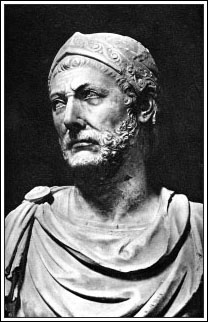
Cannae holds an unique place in military history and theory. It was arguably the most brilliant tactical victory of all time. It was also among the few cases where a significantly outnumbered opponent not only defeated, but completely annihilated, the opposing army. It was so successful that more than 2000 years later soldiers still dream about using a double encirclement to inflict an overwhelming defeat upon an enemy in battle. However, despite the undoubted tactical success Hannibal achieved against Rome at Cannae many of these same soldiers seem to have ignored other less savoury lessons from the battle. Indeed Hannibal's victory at Cannae did not lead to decisive strategic results and ultimately Carthage lost the war. Cannae's tactical results have tended to overshadow the fact that strategically it accomplished nothing significant for Carthage in the long term. The "Battle of Cannae" was a pivotal moment during the "Second Punic War" fought between Carthage and the Roman Empire to determine which power would dominate the Central and Western Mediterranean.
The Third Romano-Samnite War
By Gordon Davis
In 316 BC war broke out once again between Rome and the Samnite tribes of the central Apennines – the third such conflict between the Italian belligerents since their initial clash in 343 BC. This new conflagration was to become the longest period of sustained warfare between the two powers, eventually, during its course widening its scope of contestants to include the Sabellians of the Abruzzi and the cities of the Etruscan League. The initial five years of this new war, however, only concerned the forces of the Romans and the Samnites and it is this phase of the third war’s operations which is covered in this study. The next and final phase of this war (311 – 304 BC) will be analysed in a later document. During the fighting in these years Rome’s military endeavors gained in scope and scale, as it punched and counter-punched with its Samnite foe. The standard compliment of the army had by now very likely increased from two to four legions, as necessity demanded and as new manpower resources came online from the maturing sections of Rome’s expanding hegemony.
The Battle of Thatis River
By John Patrick Hewson
In the second half of the sixth century BC a large scale tribal movement took place north of the Black sea. This began when the Massagetai, the largest and most powerful of the tribes of north Central Asia, undertook an aggressive expansion into the steppes of Kazakhstan. During this process they either enslaved or integrated into their horde many of the nomadic horse tribes of central Asia. We know very little about the resulting confederation except that its success was due in part to the development of a new form of elite heavy cavalry known to the Greeks as Kataphraktoi, which became what we know as Cataphracts.
The Battle of Megiddo
By John Patrick Hewson
The battle of Megiddo is the earliest battle of which there is some historical record, although the record is fragmented and sketchy. And, although no complete record of the tactics exists, we do have some information at our disposal. James Henry Breasted, in his “Ancient Records of Egypt: Historical Documents” published in Chicago in 1906, gives a translation of an inscription from the Amen temple at Karnak which gives some details of the battle. A slightly different translation is given by J. B. Pritchard in “Ancient Near Eastern Texts” published in 1969. In addition, a tentative map of the battlefield is given in “Carta’s Atlas of the Bible” by Yohanan Aharoni, published in Jerusalem in 1964.
The Third Battle of Anchialus
By John Patrick Hewson
For close to 500 years the Byzantine Empire conducted relations, sometimes as allies, sometimes at war, with the Bulgars. The Bulgars were originally a Turkic people who, like other Central Asian peoples, had a reputation as military horsemen, and they had developed a strong political organization based on the Khan as leader. The Khans came from the aristocratic class of Boyars, and were augmented by senior military commanders called Tarkhans. In the second century, the Bulgars migrated to an area between the Black Sea and the Caspian Sea, and sometime between 351 and 377, a group of them crossed the Caucasus to settle in Armenia.
The Second Samnite War
By Gordon Davis
Between 343 BC and 290 BC the Romans and Samnites engaged in a series of fierce wars throughout central Italy. The two peoples, along with the Celts of the Po Valley to the north, were ascendant powers at this time, eclipsing older power blocks such as Hellas Megale and the Etruscan city-states. The fighting of 327 – 321 BC between Rome and Samnium was the opening phase of the second war between these two states and it was far more intense in both the breadth of territory covered and the number of battles fought than the first war of 343 – 341 BC. The present article attempts to provide a detailed military history of the fighting of this seven-year period.
War and Conquest in Southern Italy (342-327)
By Gordon Davis
Livy indicates that the consuls eventually decided to try to break out through either of the two forks, instead of moving deeper into the hill-country of central Samnium to the east. The legions issued from the camp, formed up and advanced their standards against the Samnite fortifications. In undoubtedly some hard and desperate fighting, they were nowhere successful. Each assault, however determined and ferocious, was bloodily repulsed. Fighting through a fortified defile is an incredibly difficult endeavour, as the Persians had found out at Thermopylae in 480 BC.
By Andrew Wright
Cannae holds an unique place in military history and theory. It was arguably the most brilliant tactical victory of all time. It was also among the few cases where a significantly outnumbered opponent not only defeated, but completely annihilated, the opposing army. It was so successful that more than 2000 years later soldiers still dream about using a double encirclement to inflict an overwhelming defeat upon an enemy in battle. However, despite the undoubted tactical success Hannibal achieved against Rome at Cannae many of these same soldiers seem to have ignored other less savoury lessons from the battle. Indeed Hannibal's victory at Cannae did not lead to decisive strategic results and ultimately Carthage lost the war. Cannae's tactical results have tended to overshadow the fact that strategically it accomplished nothing significant for Carthage in the long term. The "Battle of Cannae" was a pivotal moment during the "Second Punic War" fought between Carthage and the Roman Empire to determine which power would dominate the Central and Western Mediterranean.
The Third Romano-Samnite War
By Gordon Davis
In 316 BC war broke out once again between Rome and the Samnite tribes of the central Apennines – the third such conflict between the Italian belligerents since their initial clash in 343 BC. This new conflagration was to become the longest period of sustained warfare between the two powers, eventually, during its course widening its scope of contestants to include the Sabellians of the Abruzzi and the cities of the Etruscan League. The initial five years of this new war, however, only concerned the forces of the Romans and the Samnites and it is this phase of the third war’s operations which is covered in this study. The next and final phase of this war (311 – 304 BC) will be analysed in a later document. During the fighting in these years Rome’s military endeavors gained in scope and scale, as it punched and counter-punched with its Samnite foe. The standard compliment of the army had by now very likely increased from two to four legions, as necessity demanded and as new manpower resources came online from the maturing sections of Rome’s expanding hegemony.
The Battle of Thatis River
By John Patrick Hewson
In the second half of the sixth century BC a large scale tribal movement took place north of the Black sea. This began when the Massagetai, the largest and most powerful of the tribes of north Central Asia, undertook an aggressive expansion into the steppes of Kazakhstan. During this process they either enslaved or integrated into their horde many of the nomadic horse tribes of central Asia. We know very little about the resulting confederation except that its success was due in part to the development of a new form of elite heavy cavalry known to the Greeks as Kataphraktoi, which became what we know as Cataphracts.
The Battle of Megiddo
By John Patrick Hewson
The battle of Megiddo is the earliest battle of which there is some historical record, although the record is fragmented and sketchy. And, although no complete record of the tactics exists, we do have some information at our disposal. James Henry Breasted, in his “Ancient Records of Egypt: Historical Documents” published in Chicago in 1906, gives a translation of an inscription from the Amen temple at Karnak which gives some details of the battle. A slightly different translation is given by J. B. Pritchard in “Ancient Near Eastern Texts” published in 1969. In addition, a tentative map of the battlefield is given in “Carta’s Atlas of the Bible” by Yohanan Aharoni, published in Jerusalem in 1964.
The Third Battle of Anchialus
By John Patrick Hewson
For close to 500 years the Byzantine Empire conducted relations, sometimes as allies, sometimes at war, with the Bulgars. The Bulgars were originally a Turkic people who, like other Central Asian peoples, had a reputation as military horsemen, and they had developed a strong political organization based on the Khan as leader. The Khans came from the aristocratic class of Boyars, and were augmented by senior military commanders called Tarkhans. In the second century, the Bulgars migrated to an area between the Black Sea and the Caspian Sea, and sometime between 351 and 377, a group of them crossed the Caucasus to settle in Armenia.
The Second Samnite War
By Gordon Davis
Between 343 BC and 290 BC the Romans and Samnites engaged in a series of fierce wars throughout central Italy. The two peoples, along with the Celts of the Po Valley to the north, were ascendant powers at this time, eclipsing older power blocks such as Hellas Megale and the Etruscan city-states. The fighting of 327 – 321 BC between Rome and Samnium was the opening phase of the second war between these two states and it was far more intense in both the breadth of territory covered and the number of battles fought than the first war of 343 – 341 BC. The present article attempts to provide a detailed military history of the fighting of this seven-year period.
War and Conquest in Southern Italy (342-327)
By Gordon Davis
Livy indicates that the consuls eventually decided to try to break out through either of the two forks, instead of moving deeper into the hill-country of central Samnium to the east. The legions issued from the camp, formed up and advanced their standards against the Samnite fortifications. In undoubtedly some hard and desperate fighting, they were nowhere successful. Each assault, however determined and ferocious, was bloodily repulsed. Fighting through a fortified defile is an incredibly difficult endeavour, as the Persians had found out at Thermopylae in 480 BC.