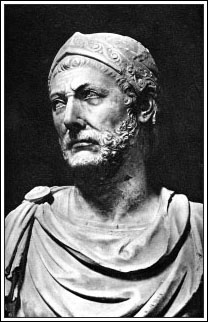
Fabio Lusiani follows Hannibal’s arrival in northern Italy through the first confrontation with a Roman army at the Ticinus River. The Alpine crossing had weakened the invaders, making local alliances and an early demonstration of military strength especially important. Scipio’s response brought the two commanders into contact before either could fully determine the course of the campaign. The account explains the composition and employment of their mounted forces, the relationship between reconnaissance and battle, and the advantages Hannibal sought from his different cavalry contingents. It also places the engagement within the struggle to win support among the peoples of Cisalpine Gaul. The significance of the encounter extends beyond its immediate battlefield result: confidence, political allegiance, and freedom of movement would influence the operations that followed. Readers receive a close view of the opening contest between two commanders whose rivalry would shape the wider war.
Stefano Spagarino uses Rome’s defeat in the Teutoburg Forest to examine the limits of military superiority when intelligence, judgment, and local understanding fail. Varus entered Germania expecting administrative authority and established relationships to provide security. Arminius exploited that confidence, combining knowledge of Roman methods with the ability to organize resistance among neighboring tribes. The article connects the ambush to terrain, the vulnerability of a marching column, and the breakdown of leadership under pressure. Its analysis then moves beyond the destruction of the legions to the effects on morale and imperial policy. Rome’s reassessment of its northern frontier demonstrates how one military disaster can alter long-term strategic choices. Spagarino also considers the consequences for the Germanic peoples, challenging an interpretation based solely on winners and losers. The result is a study of how an army’s assumptions can become as consequential as its weapons, training, and numbers.
Andrew Wright separates Hannibal’s remarkable battlefield achievement at Cannae from the larger question of whether it advanced Carthage’s war aims. He reconstructs the roles of infantry and cavalry, showing how the Roman attack became vulnerable to encirclement as the fighting developed. By tracing the sequence of decisions, Wright explains why the maneuver succeeded rather than presenting it as a diagram that commanders can simply reproduce. The discussion also considers the Roman response and the limitations facing Hannibal after the battle. Rome’s ability to continue fighting complicates the familiar portrayal of Cannae as an ideal model of decisive victory. Wright argues that the destruction of an enemy army must be judged against the political and strategic effects it produces. This account gives readers both an explanation of the tactical success and a reason to question why later military thinkers have so often focused on that success in isolation.
Gordon Davis reconstructs the opening campaigns of the conflict he identifies as the Third Romano-Samnite War, concentrating on the struggle between Rome and Samnium before additional powers became involved. Rather than presenting a succession of disconnected battles, he relates operations to geography, alliances, and control of the towns and approaches of central Italy. Roman reverses and subsequent recovery reveal how both opponents could threaten the other’s position without immediately settling the contest. Sieges and campaigning in Campania receive particular attention, alongside the expanding demands placed on Roman forces. Davis also considers how the available manpower and military organization affected the scale of operations. Davis uses the surviving narrative to build a broader strategic picture while acknowledging the difficulties of reconstructing this early period. The article shows a rivalry becoming more extensive and demanding, setting the stage for the wider fighting addressed in the next phase of the war.
A succession dispute in the Bosporan kingdom provides the setting for John Patrick Hewson’s account of the Battle of Thatis River. Rival claimants drew support from neighboring peoples, bringing Greek troops and the mounted warriors of the steppe into the same military contest. Hewson first explains the migrations and relationships that made these alliances possible, then examines the forces each side assembled. His reconstruction follows the interaction between cavalry fighting in the center and infantry actions on the wings. Success in one part of the field did not automatically decide the engagement elsewhere, requiring commanders to respond to a changing battle. The narrative connects these tactical choices to the dynastic ambitions that brought the armies together. It also introduces readers to a military environment where political authority depended on access to different communities and fighting traditions, making the struggle a useful example of warfare along the boundary between the Greek and steppe worlds.
John Patrick Hewson reconstructs the Egyptian campaign at Megiddo by bringing together inscriptions, their modern translations, and interpretations of the battlefield. The account introduces Thutmose III’s political and military setting before explaining the composition of the opposing forces and the routes available to the Egyptian army. Choosing an approach meant balancing speed and surprise against the danger of moving through restrictive terrain. Hewson follows that decision into the confrontation near the city and considers how the subsequent course of operations affected the campaign. Throughout, the surviving records determine both what can be described and where uncertainty remains. Readers are shown how evidence from an ancient inscription becomes a modern account of movement, command, and combat. The article’s value lies as much in that process of reconstruction as in the battle itself, offering an introduction to the challenges of studying warfare when detailed and independent descriptions are scarce.
John Patrick Hewson places the Third Battle of Anchialus within the prolonged rivalry between Byzantium and Bulgaria. Migration, political organization, and periods of cooperation establish the background to a conflict in which earlier relationships could become strategic liabilities. The article explains how the opposing armies were raised and arranged, including the different roles of mounted troops and infantry. It then relates military preparations and battlefield decisions to the ambitions of the rulers directing the campaign. The discussion makes clear that the engagement belonged to a wider contest over authority and influence, rather than an isolated collision between armies. Hewson uses the encounter to connect changes in regional power with the practical conduct of war. Readers gain an overview of the institutions and fighting methods involved, as well as a narrative of how those resources were brought together in a consequential confrontation between neighboring states.
Gordon Davis examines the opening phase of the Second Samnite War through the campaigns fought across central Italy. The contest was shaped by competing claims to territory, the position of allied communities, and the difficulty of moving and sustaining forces in varied terrain. Davis follows operations across several campaigning seasons, explaining how individual engagements contributed to the wider struggle between Roman and Samnite power. He also addresses the problems of relying on later accounts for a period with limited surviving evidence. Disputed episodes are considered alongside patterns of movement and strategic purpose that can still support a useful reconstruction. The interruption of fighting raises a further question about how historians divide a prolonged rivalry into separate wars. By combining military narrative with attention to sources and chronology, the article offers readers a more detailed understanding of a conflict often reduced to a few famous incidents in Rome’s expansion.
The interval between Rome’s early wars with Samnium was filled with fighting that transformed the political map of southern Italy. Gordon Davis examines how revolts, regional rivalries, and campaigns against smaller communities drew several powers into overlapping struggles. Roman and Samnite ambitions were only part of the story: Greek cities and the peoples of the interior also sought military support and alliances to protect their interests. The narrative follows movement across mountain and plain, the pressure exerted by sieges, and the efforts of threatened states to preserve their independence. These operations gradually changed the relationships between larger powers and their neighbors. Davis treats the period as a connected military history, showing why a break between formally named wars did not mean an absence of conflict. Readers gain context for the next Roman-Samnite confrontation and for the process through which numerous independent communities became incorporated into broader spheres of power.
Jon Martin presents Brasidas as a commander whose effectiveness depended on persuasion and adaptability as much as courage in battle. Operating far from Sparta’s center of power, he had to secure local cooperation, make limited resources useful, and respond to opponents in unfamiliar conditions. The article follows his campaigns during the Peloponnesian War, including the relationship between military operations and the contest for strategically valuable communities. His methods sometimes placed him at odds with the cautious political culture of his own state. Martin examines the ability to seize an opportunity, maintain the confidence of troops, and turn an opponent’s weaknesses into an advantage. Setbacks and difficult withdrawals are considered alongside victories, giving a fuller picture of his command. The account explains why Brasidas’s reputation extends beyond individual engagements and why his combination of diplomacy, initiative, and tactical skill remains an interesting subject for the study of military leadership.
Rob Wanner examines Kadesh through the confrontation between Egyptian and Hittite ambitions in Syria. The campaign’s approach to battle depended on what the commanders believed about enemy locations and intentions, making information and deception central to the narrative. As Egyptian formations became separated, a sudden chariot attack created a crisis that threatened the army’s cohesion and the security of its leadership. Wanner follows the fighting around the camp and the circumstances that changed the balance of the engagement. He also considers the evidence used to describe the battle, including Egyptian representations that place the pharaoh at the center of events. The account links the dramatic combat to questions about preparedness, command, and the consequences of surprise. Readers receive an overview of the campaign’s military setting and an explanation of why this early encounter remains valuable for examining both ancient battlefield tactics and the way rulers represented their own achievements.
Steve Haas explores the possible historical setting behind Arthur by examining Britain’s changing relationship with Roman power. The story moves from imperial involvement and external threats to the efforts of local rulers to organize defense when support from Rome became unreliable. Haas brings together accounts of British leadership, regional connections, and competing identifications of the figure later remembered as Arthur. These interpretations reveal the difficulty of moving from familiar legend to a secure historical reconstruction. Military resistance is considered alongside questions of ancestry, political authority, and links across the Channel. The article offers a broad narrative of the conditions in which stories about a unifying leader could develop, rather than treating the later traditions as a straightforward campaign record. Readers are introduced to several ways of approaching Arthur’s identity and to the wider struggle for order that gives those interpretations their significance.
J.D. Miller places the defense of Thermopylae within the larger Persian-Greek confrontation and examines how the battle can be reconstructed from imperfect evidence. The earlier campaigns provide context for the forces assembled and the choices made before the armies reached the pass. Terrain, equipment, and differences in fighting methods help explain why a restricted position offered opportunities to the defenders. Miller then follows the attacks and the developments that changed the military situation. Herodotus’s account remains central, but its strengths and limitations are considered through later historical criticism. The discussion extends to the consequences of the engagement and its place in public memory. By linking campaign history with a review of the sources, the article helps readers distinguish the military problem faced by the participants from the dramatic narrative that has grown around it. Thermopylae emerges as both a battlefield study and a case in the interpretation of ancient history.
John Griffiths reconstructs Rome’s first assault on Anglesey as an operation against a center of resistance with religious as well as political importance. The island’s position forced the attackers to solve problems of approach, transport, and coordination before they could bring their superior military resources to bear. Griffiths considers the forces and equipment available to Suetonius Paulinus, then examines how they might have supported the crossing and fighting on the island. His account gives particular attention to the relationship between the physical landscape and the practical requirements of an invasion. The violence of the campaign is placed within Rome’s wider methods of imposing authority in Britain. Readers are invited to look beyond a simple story of conquest and assess how an army prepared for a difficult objective. The article also establishes the background for understanding why later Roman operations would return to the island.
Addison Hart follows the political and military struggles that ended Rome’s republican order and brought Octavian to power. Individual personalities drive much of the narrative, from Caesar’s early career through the rivalries that followed his assassination. Alliances offered temporary advantages but also created new conflicts, while victories in the field changed the balance of influence within Roman politics. Hart examines the roles of Antony, Lepidus, Octavian, and their associates in a contest where personal survival and control of the state became inseparable. The account culminates in Octavian’s defeat of his remaining rivals and the establishment of imperial authority. Its central subject is therefore the collapse of the Republic and the rise of a new political system. Readers receive a narrative of ambition, war, and shifting loyalties that explains how military success could remove opponents while also transforming the institutions through which Rome had previously been governed.
Agricola’s return to Anglesey forms the focus of John Griffiths’s reconstruction of Rome’s efforts to complete an earlier conquest. The article compares the later campaign with the operation under Suetonius Paulinus, considering what had remained unresolved and what the available accounts reveal. Tacitus’s biography provides an important source, but Griffiths also uses the island’s geography and the organization of Roman forces to explore practical questions about the attack. Local knowledge, supporting troops, and the ability to negotiate a hazardous crossing receive close attention. Where direct evidence is limited, the author develops possible explanations for how the operation succeeded. These interpretations connect the military narrative to the landscape and to the resources a Roman commander could employ. Readers gain a focused study of the invasion and an example of how written testimony, logistical reasoning, and knowledge of terrain can be combined to reconstruct a campaign.